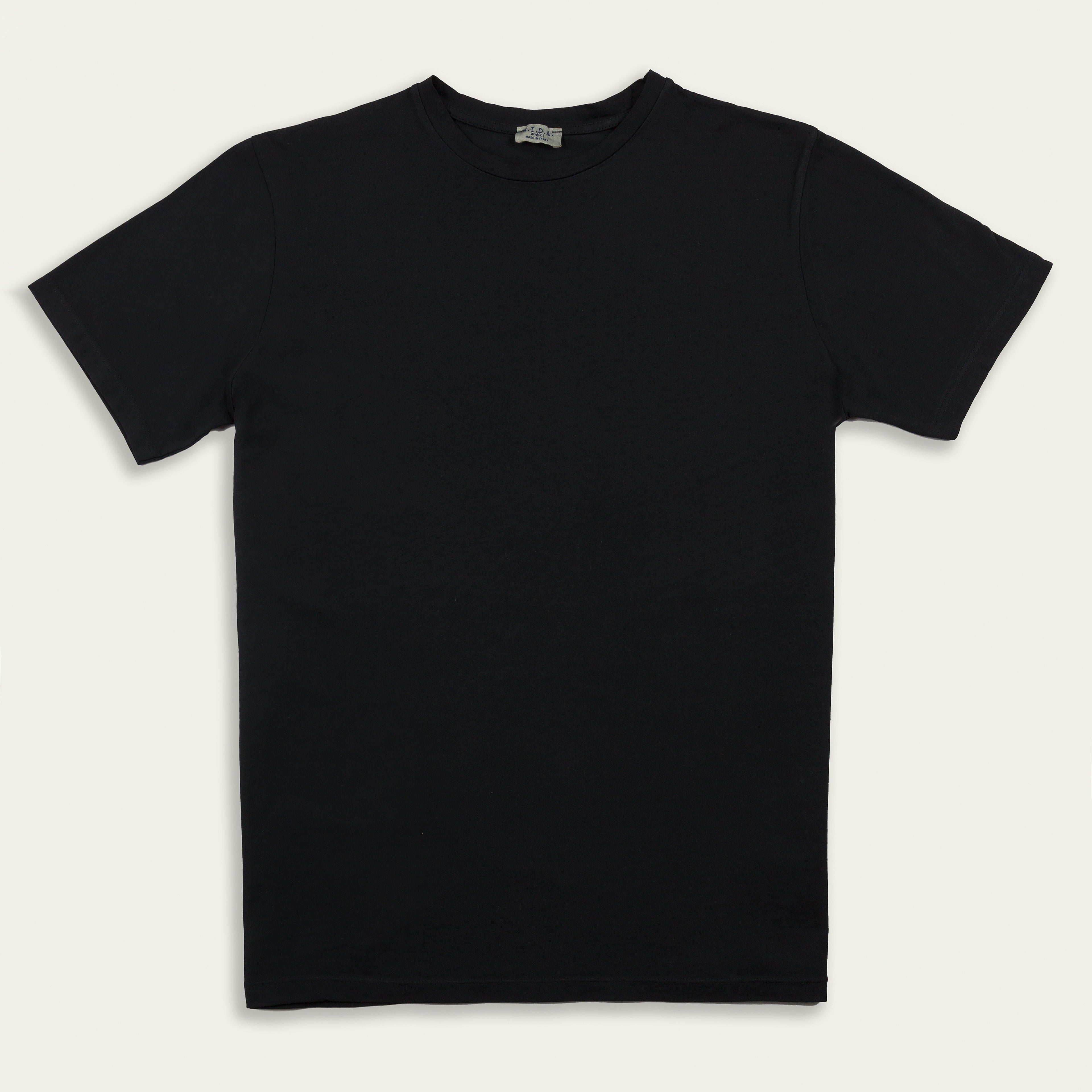
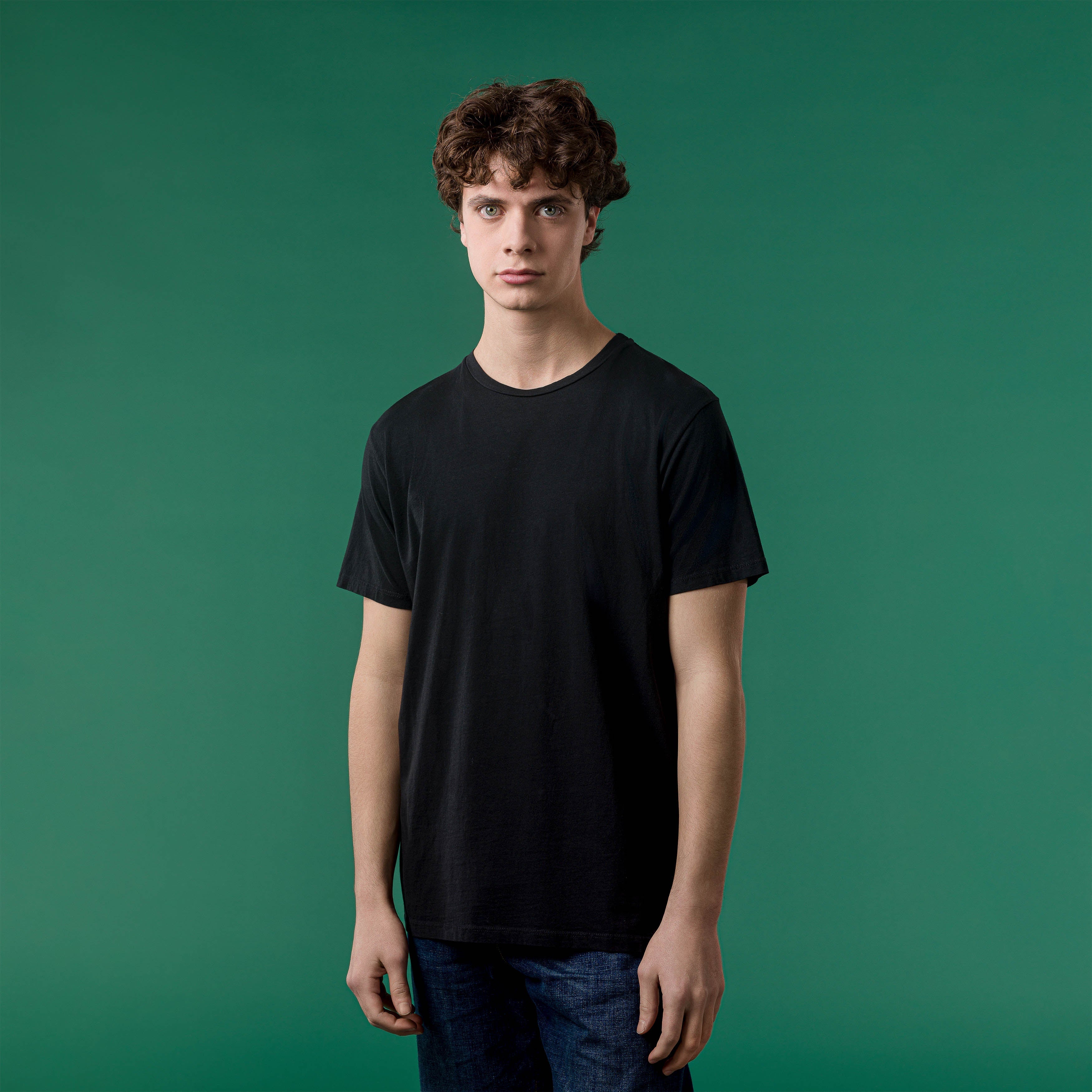


Finding a t-shirt that fits properly when you have a slim build shouldn't be this hard. Too baggy and you're drowning in fabric. Too tight and you look like you borrowed your younger brother's clothes.
The good news? With the right fit, fabric, and a few strategic choices, you can build a rotation of t-shirts that actually work for your frame.
The Fit Formula (This Matters Most)
Forget everything else if you don't get the fit right. Here's what to look for:
Shoulders: Seams should hit right at the edge of your shoulder, not droop down your arm
Sleeves: Should end mid-bicep (not halfway down your forearm)
Length: Aim for mid-fly on your jeans, around 27-28 inches for most guys
Torso: A gentle taper from chest to waist, not a boxy straight cut
Best Fits for Slim Builds
-
Slim fit - follows your natural lines without excess fabric
-
Muscle fit - tailored through the chest (works for all builds, despite the name)
-
Modern regular - updated classic proportions
Browse our t-shirt collection →
Skip These
❌ Oversized/baggy - you'll look smaller, not stylish (unless you really know what you're doing)
❌ Skin-tight - restrictive and highlights what you're trying to balance
The video below from RealMenRealStyle is great to help you with your t-shirt fitting:
Colour Strategy: Keep It Simple
Solid colours are your best friend. Here's why they work:
They're versatile, timeless, and let you focus on the overall outfit rather than competing patterns.
Colours That Add Visual Weight
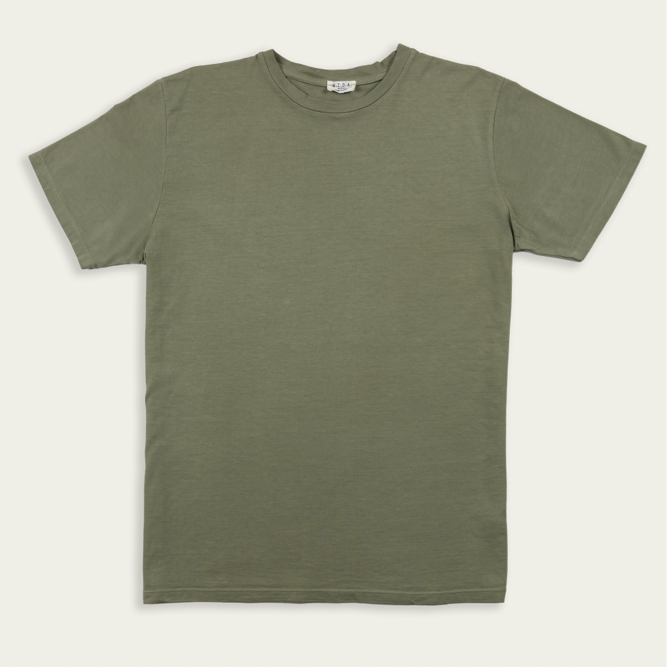
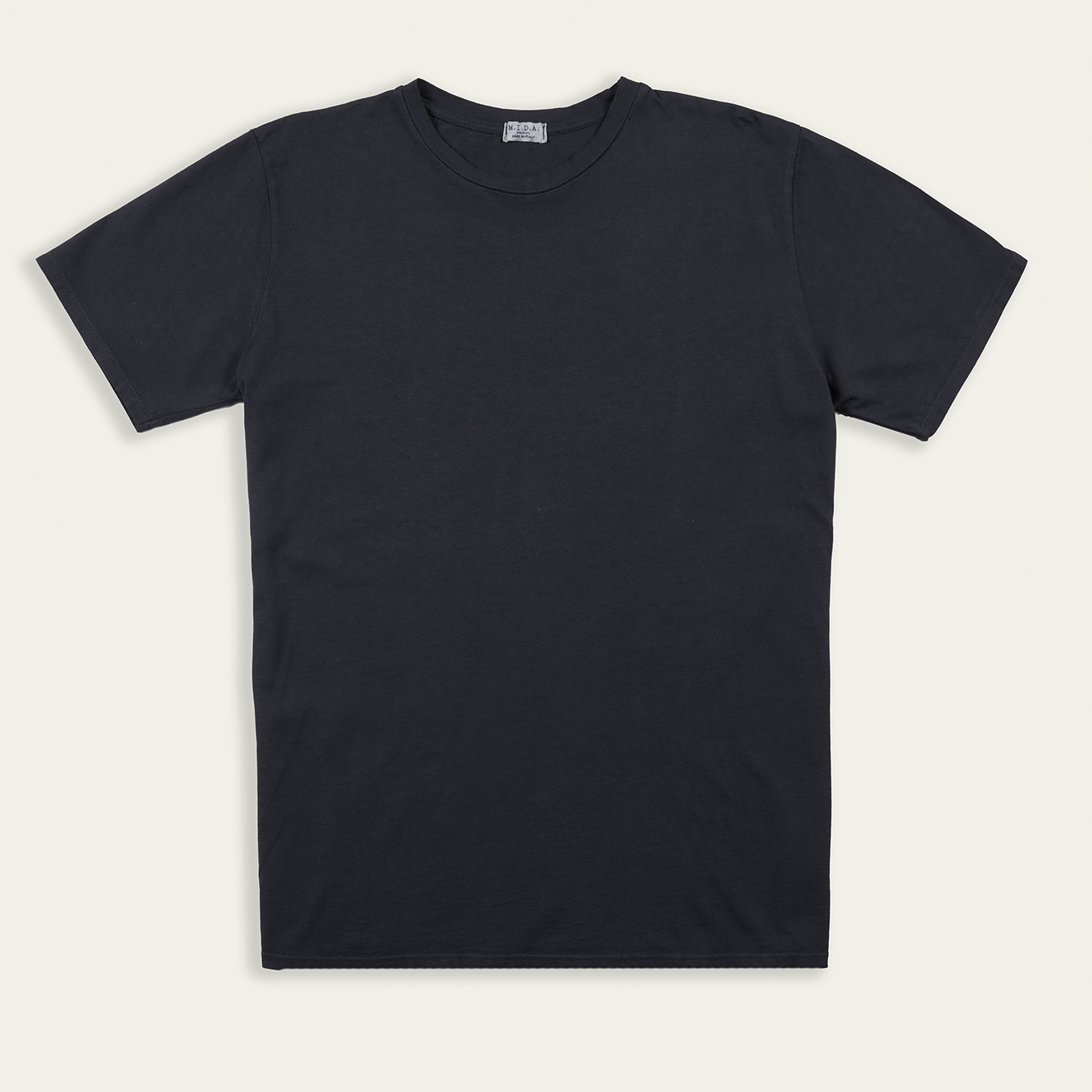
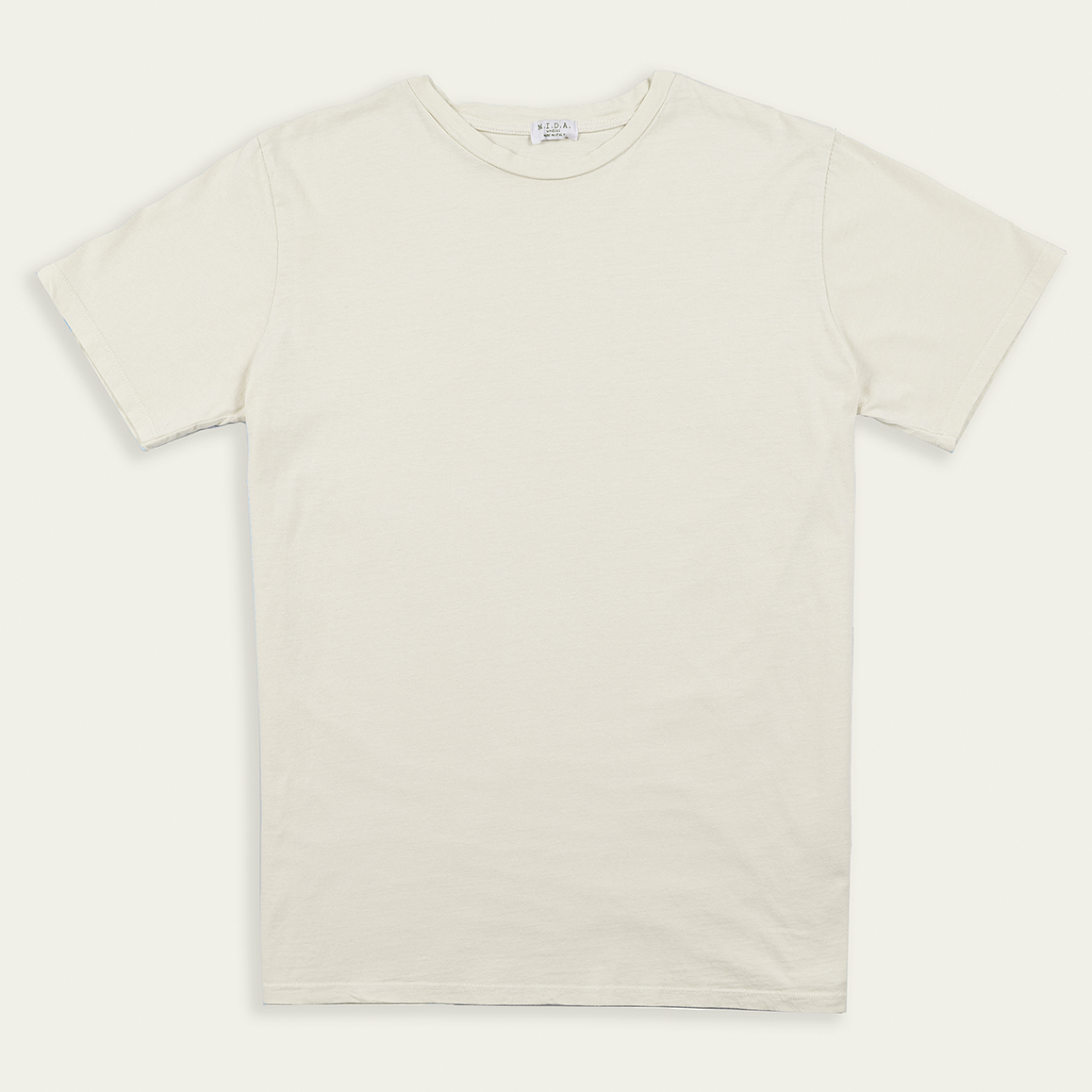
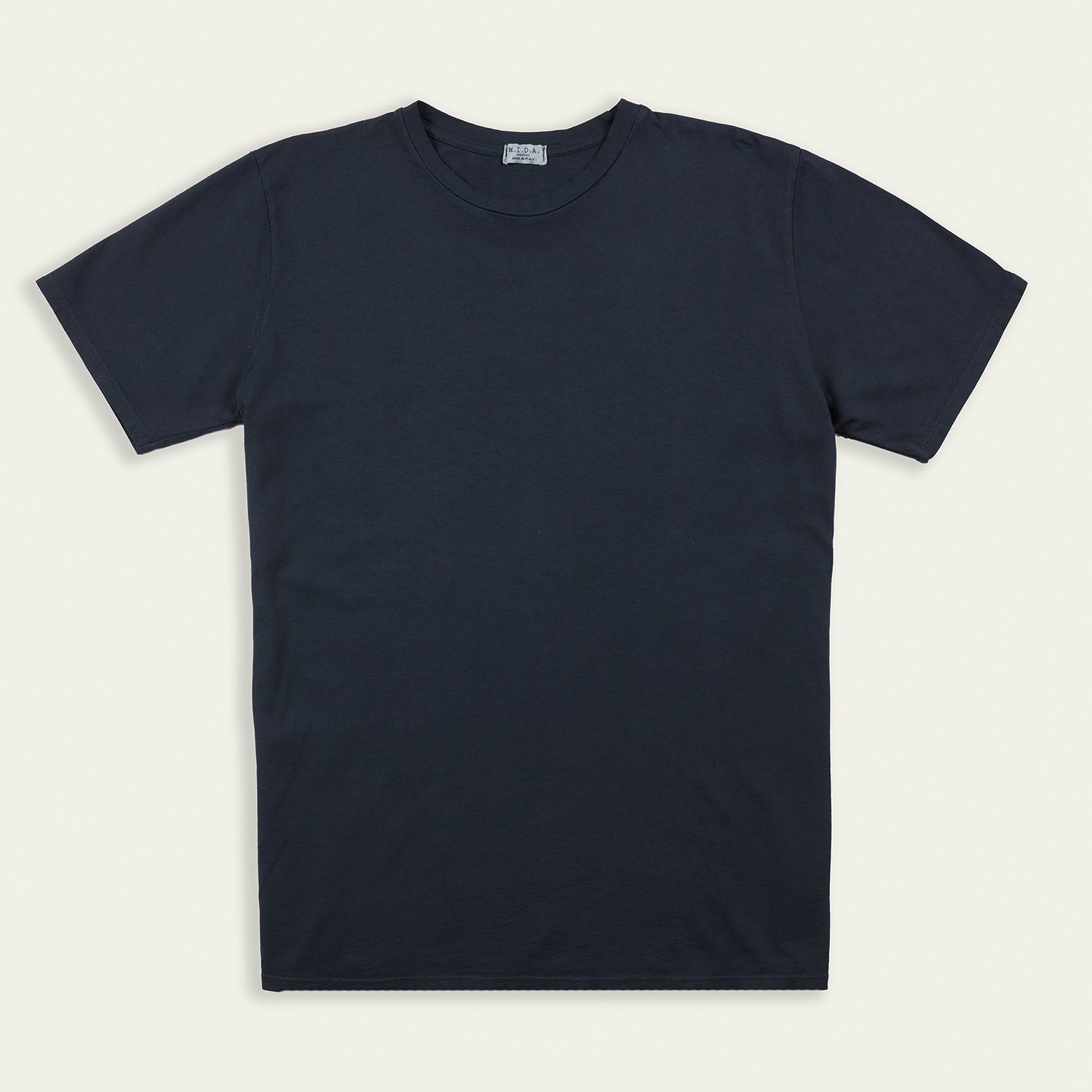
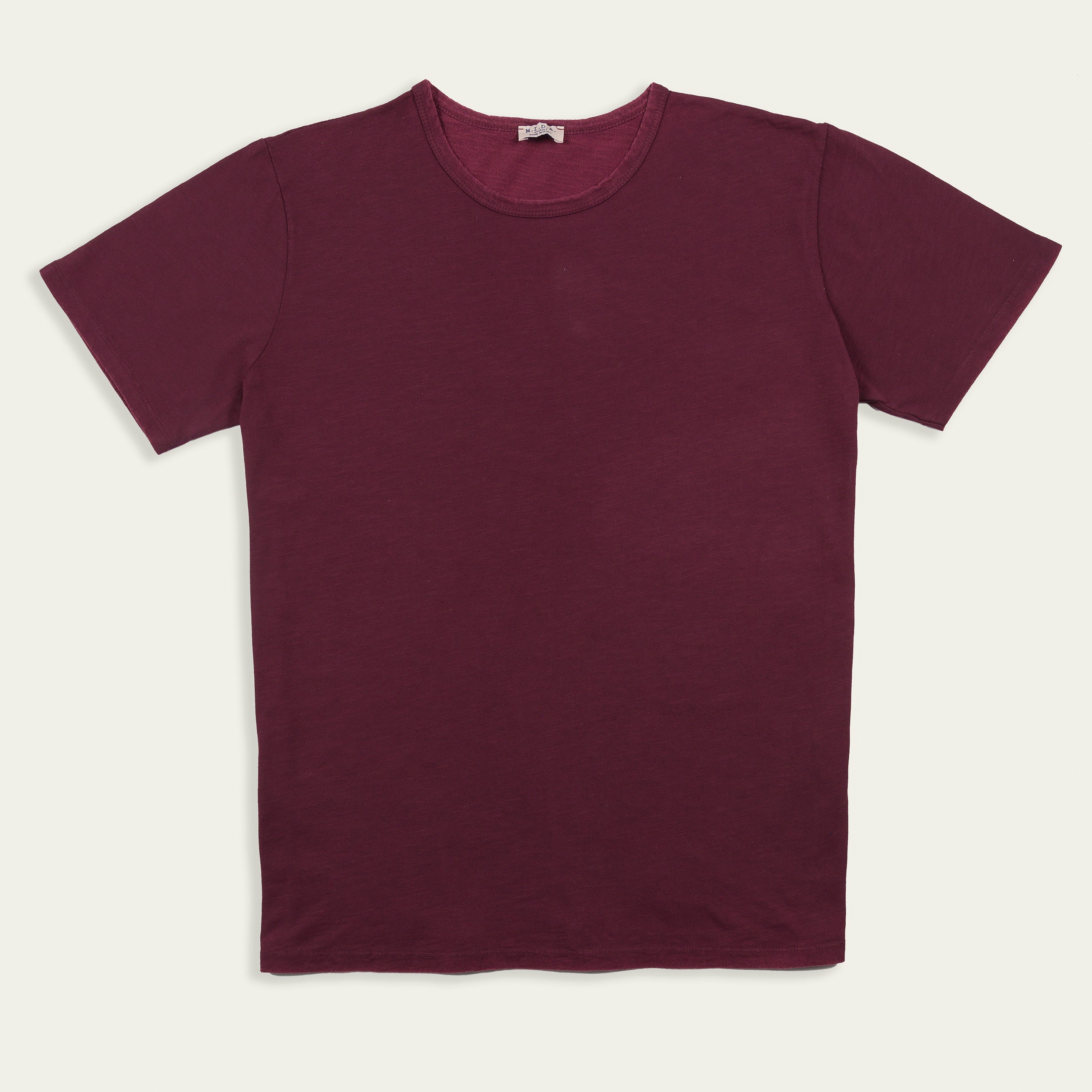
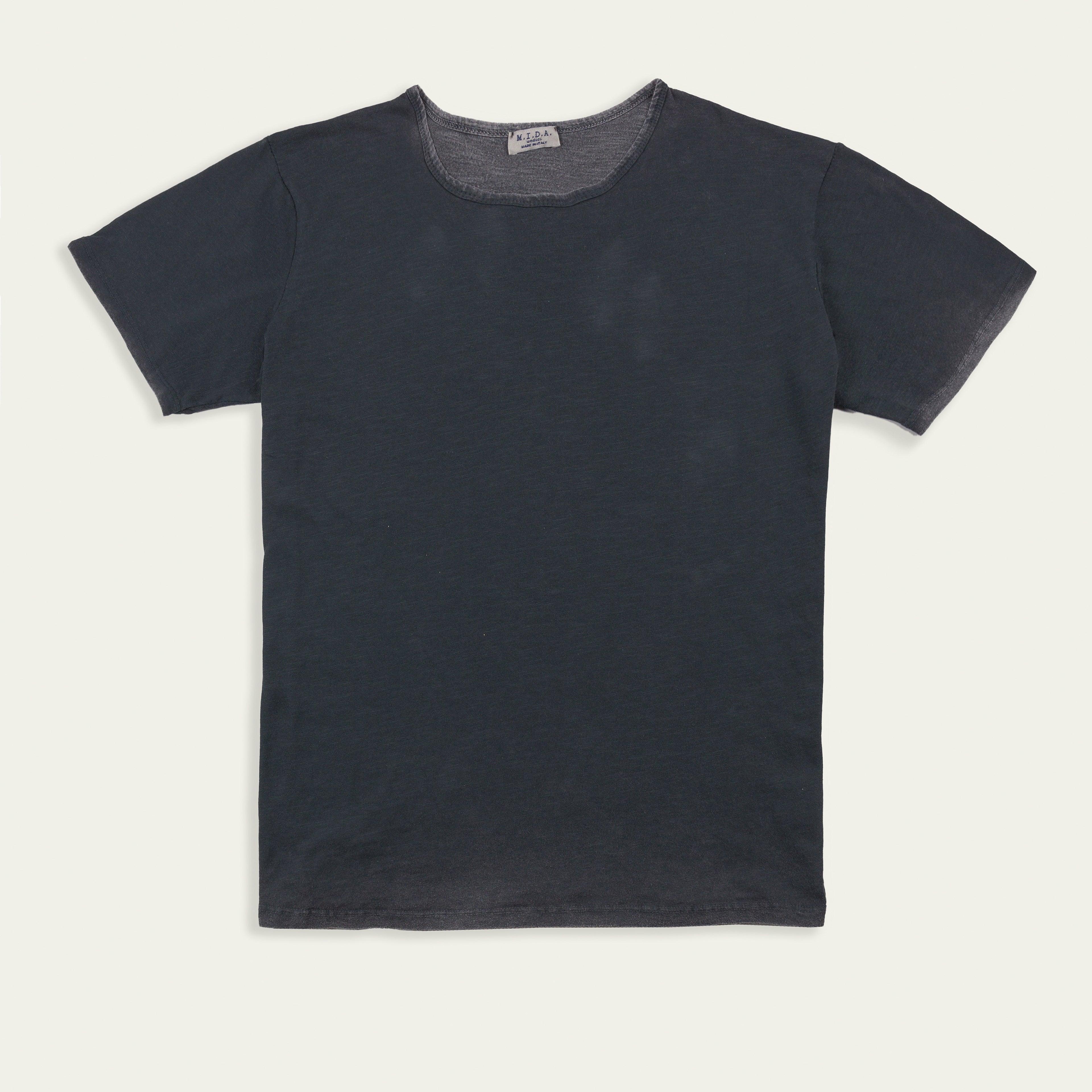
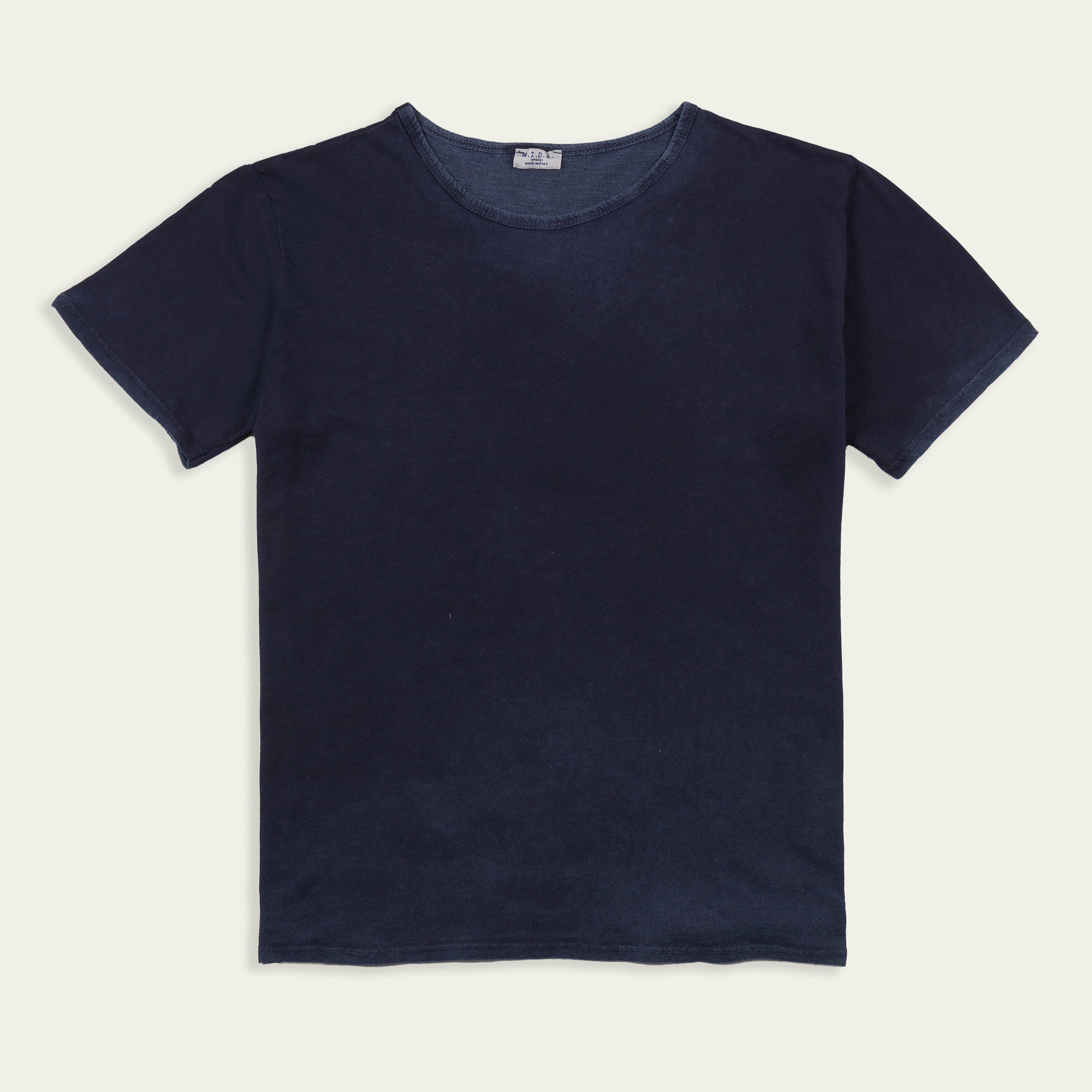
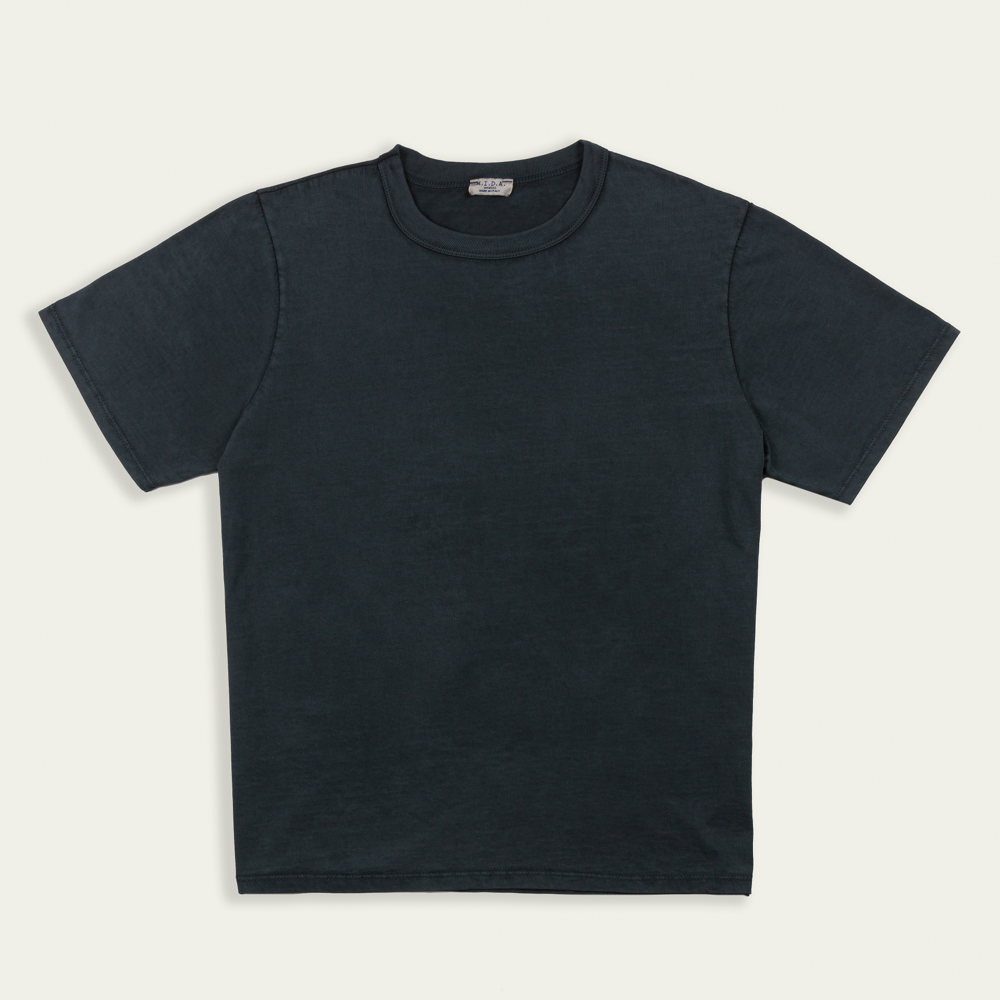
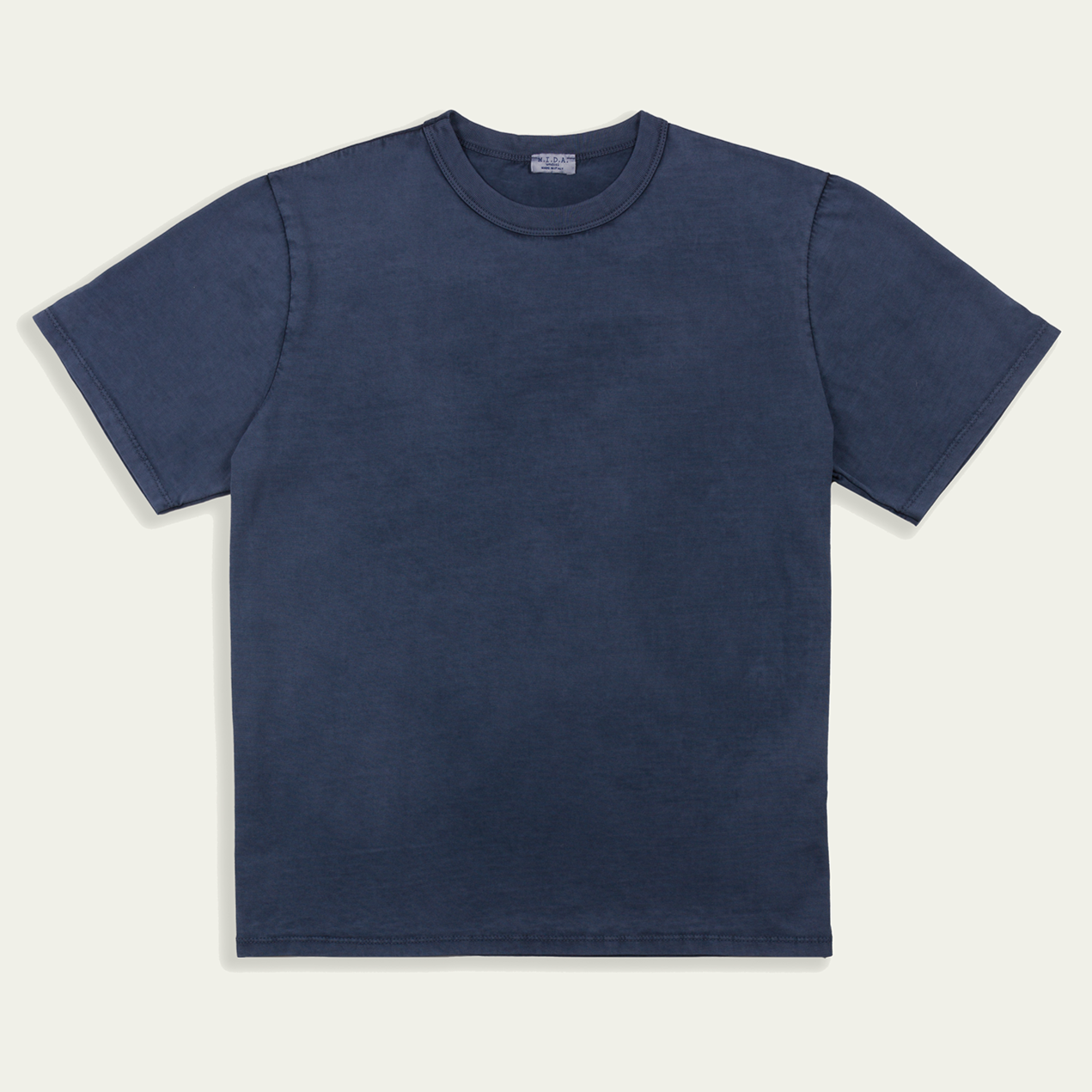
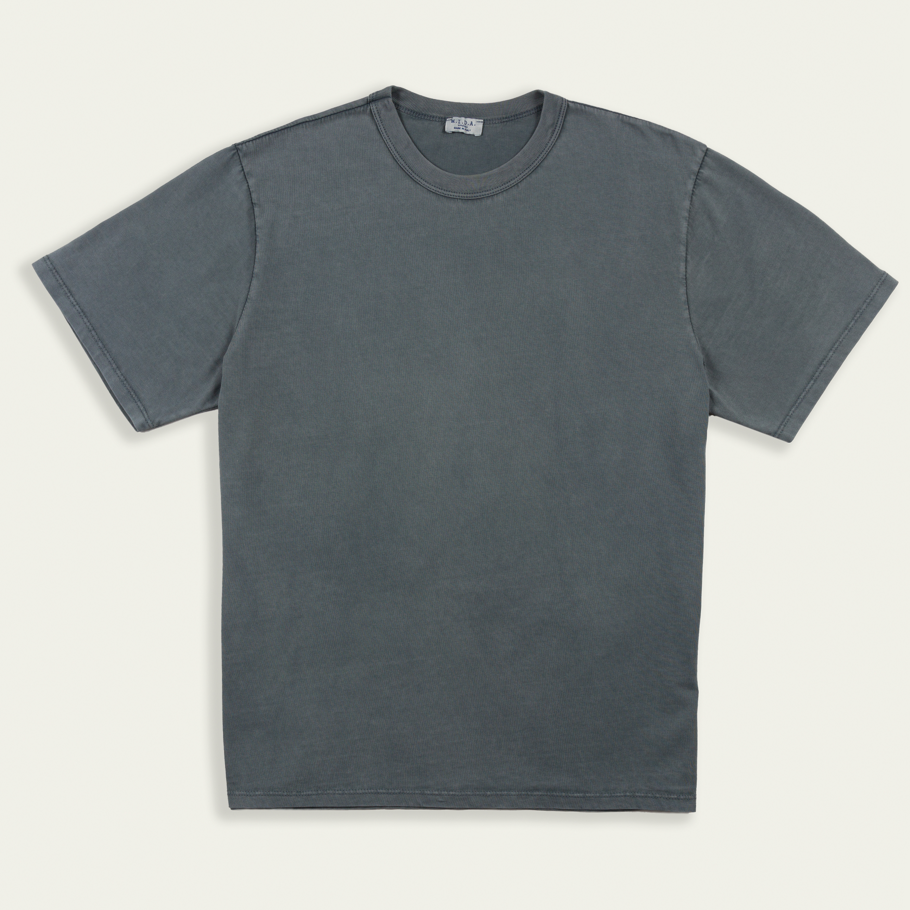
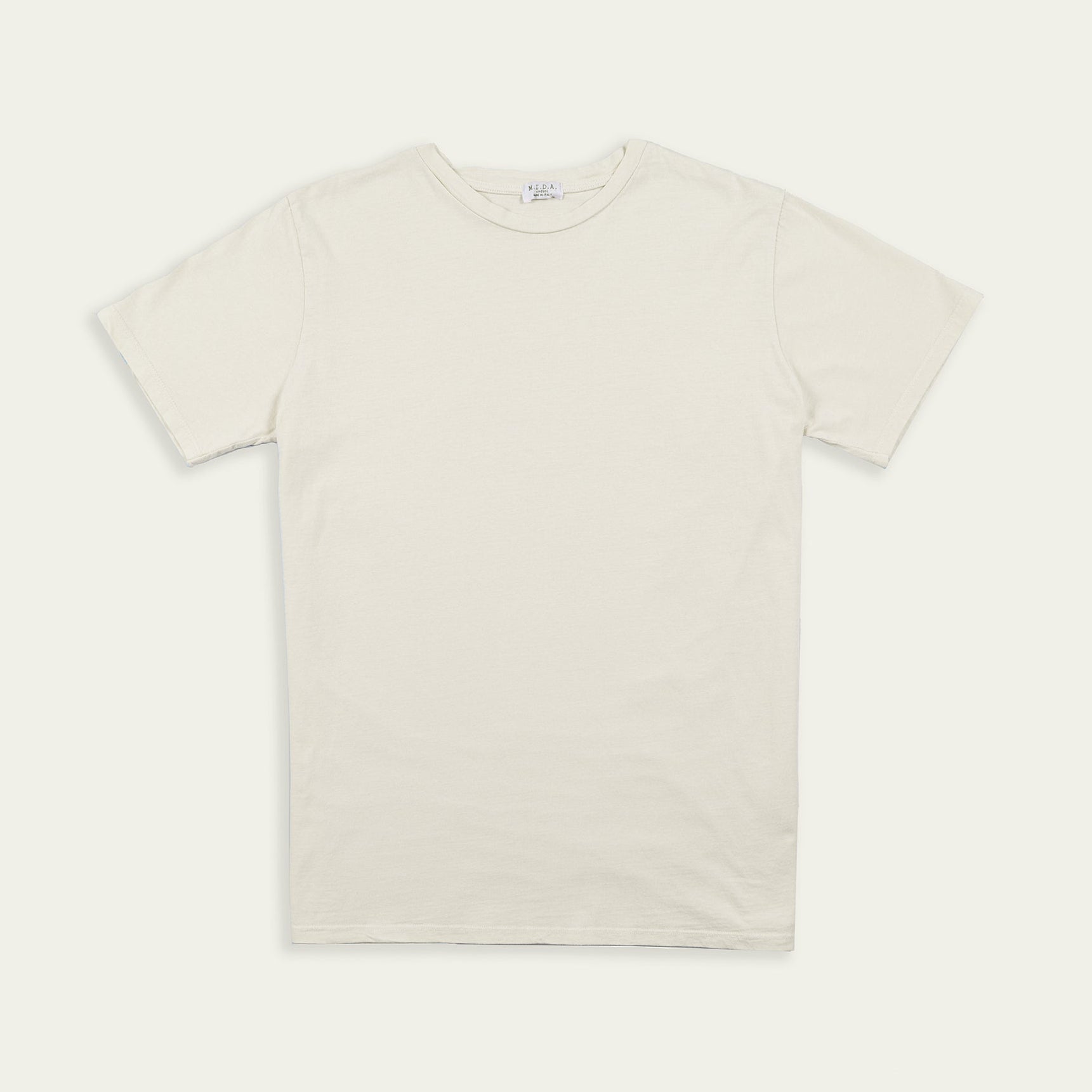
Go-to options: Navy, charcoal, forest green, burgundy, olive, rust Use sparingly: White and very light colours (they can make you appear smaller) Smart choice: Off-white and cream work better than stark white
Browse our solid colour collection →
A word from our founder:
"The top colours for mens t-shirts in 2026 aside from the must-have black and whites are pastel colours like sage and rust."
Fabric: The Secret Weapon
The weight and quality of fabric makes a bigger difference than most guys realise.
What Works Best
160-200 GSM cotton - substantial enough to have structure, not too heavy
Heavy-weight cotton (200+ GSM) - better drape, more premium feel See thick fabrics →
Pima cotton - softer, slight sheen, worth the upgrade Shop Pima →
Merino wool - temperature-regulating, adds texture Explore merino →
Unique Finishes
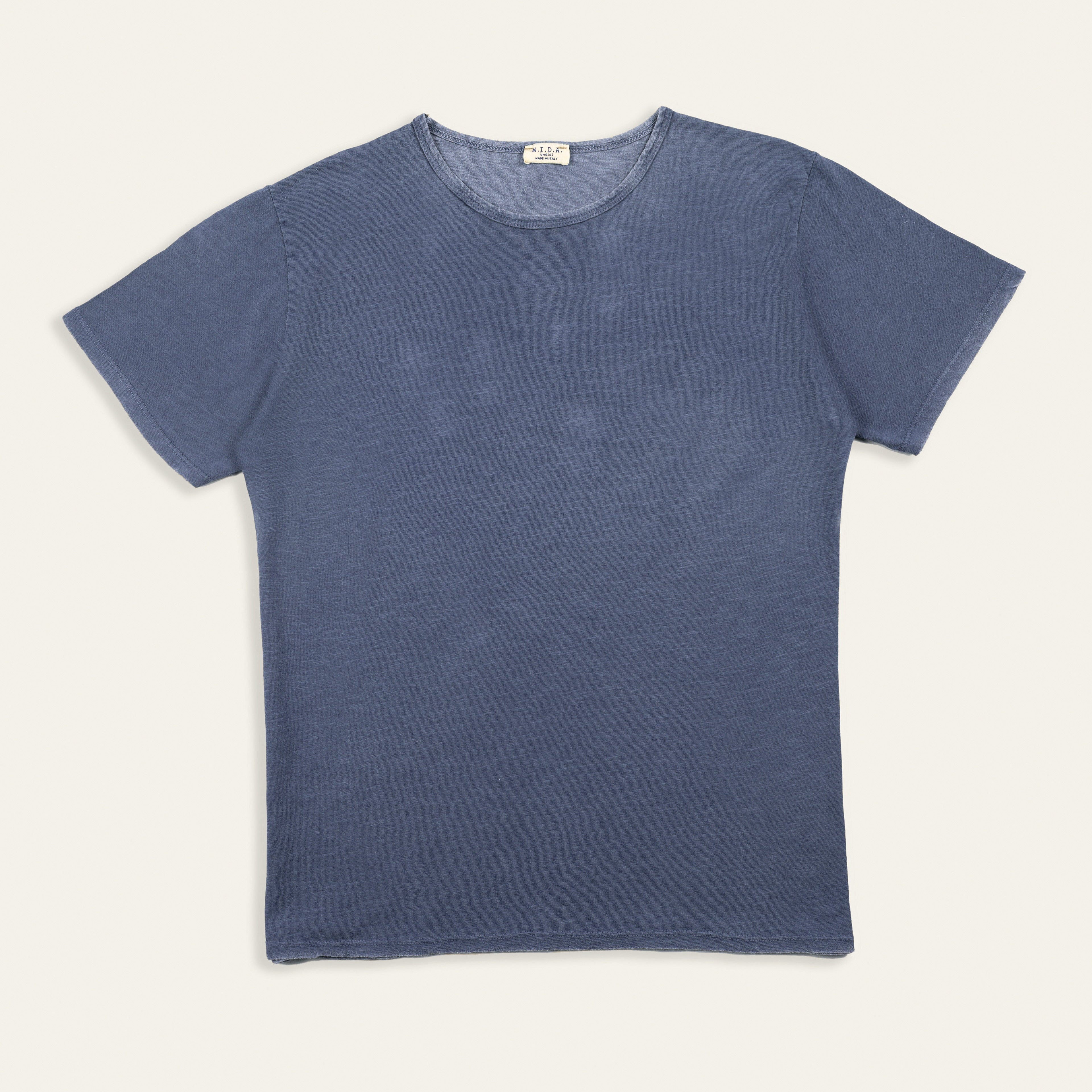
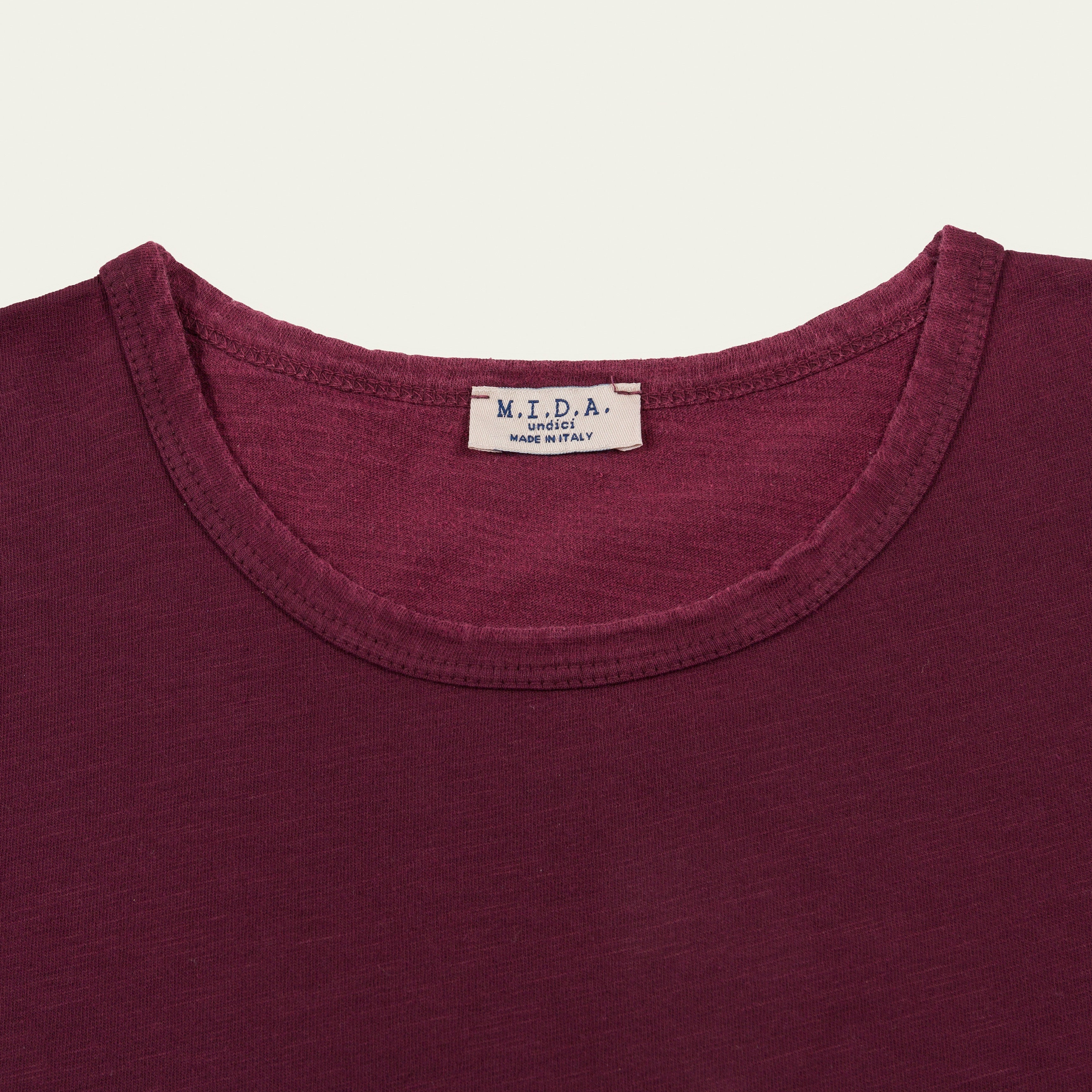
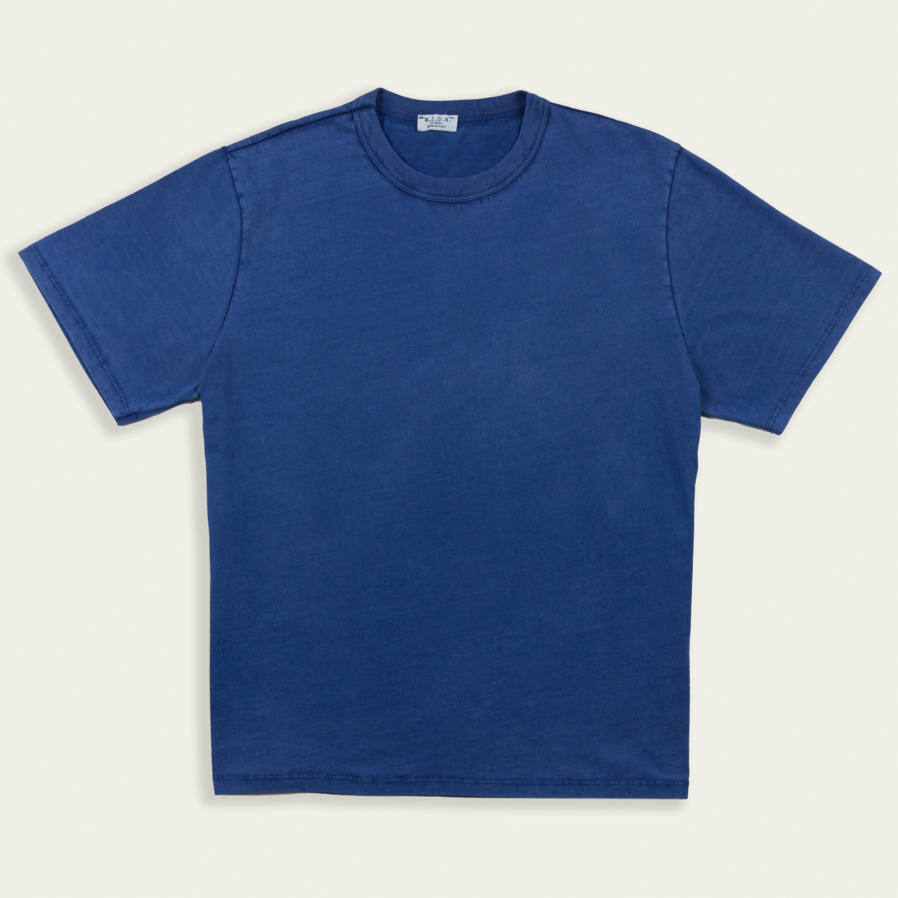
Stone-washed and garment-dyed tees add character and feel more substantial than flat, new cotton. See our dyed collection →
A word from our founder:
"We've been making textiles in Prato since 1952. Most brands chase the cheapest cotton they can find in Bangladesh or China. We don't. Every gram of weight in our fabrics is a deliberate choice, not a cost-cutting accident. When a t-shirt feels substantial in your hands, it's because someone in our mill decided it should be, not because a spreadsheet said it had to be. That's the difference between fashion and manufacturing."
Building the Complete Look
A great t-shirt is only half the equation.
The Bottoms
Slim or straight-fit jeans - dark washes are most versatile
Tailored chinos - navy, khaki, olive, grey
Avoid: Extremely skinny jeans or baggy relaxed fits
Smart Layering
Add dimension without bulk:
-
Overshirt or light jacket - denim, chambray, or unlined bomber
-
Structured coat (colder months) - make sure shoulders fit properly
-
Subtle undershirt - adds foundation without being obvious
MIDAundici's tshirts by @WellBuiltStyle:

Accessories (Keep It Proportional)
-
Slim watch (not chunky oversized styles)
-
Belt width: 1.25-1.5 inches max
-
Delicate chains if you wear jewellery
Your Essential T-Shirt Starter Kit
Don't buy 20 mediocre tees. Build a curated rotation instead:
The Core 6:
-
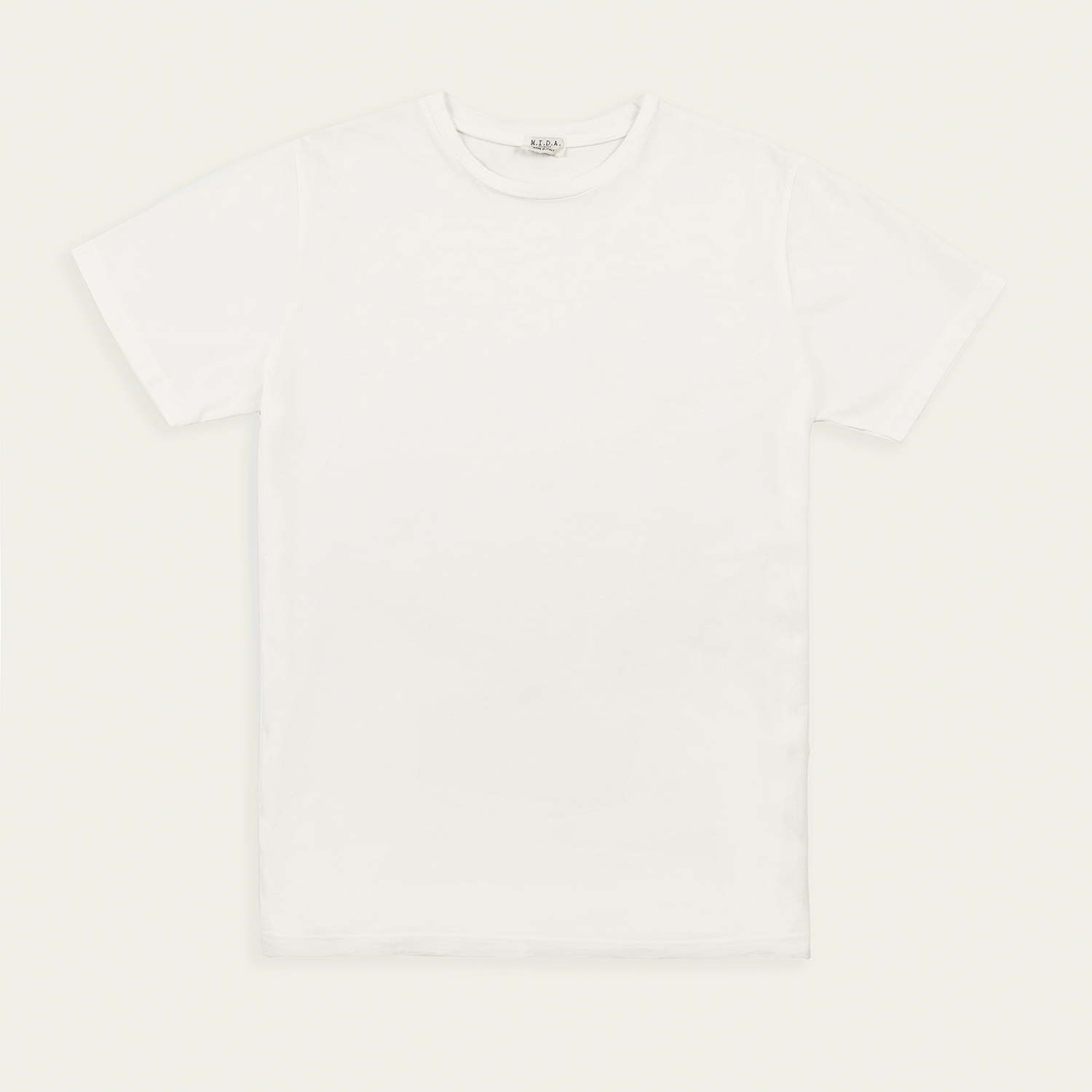
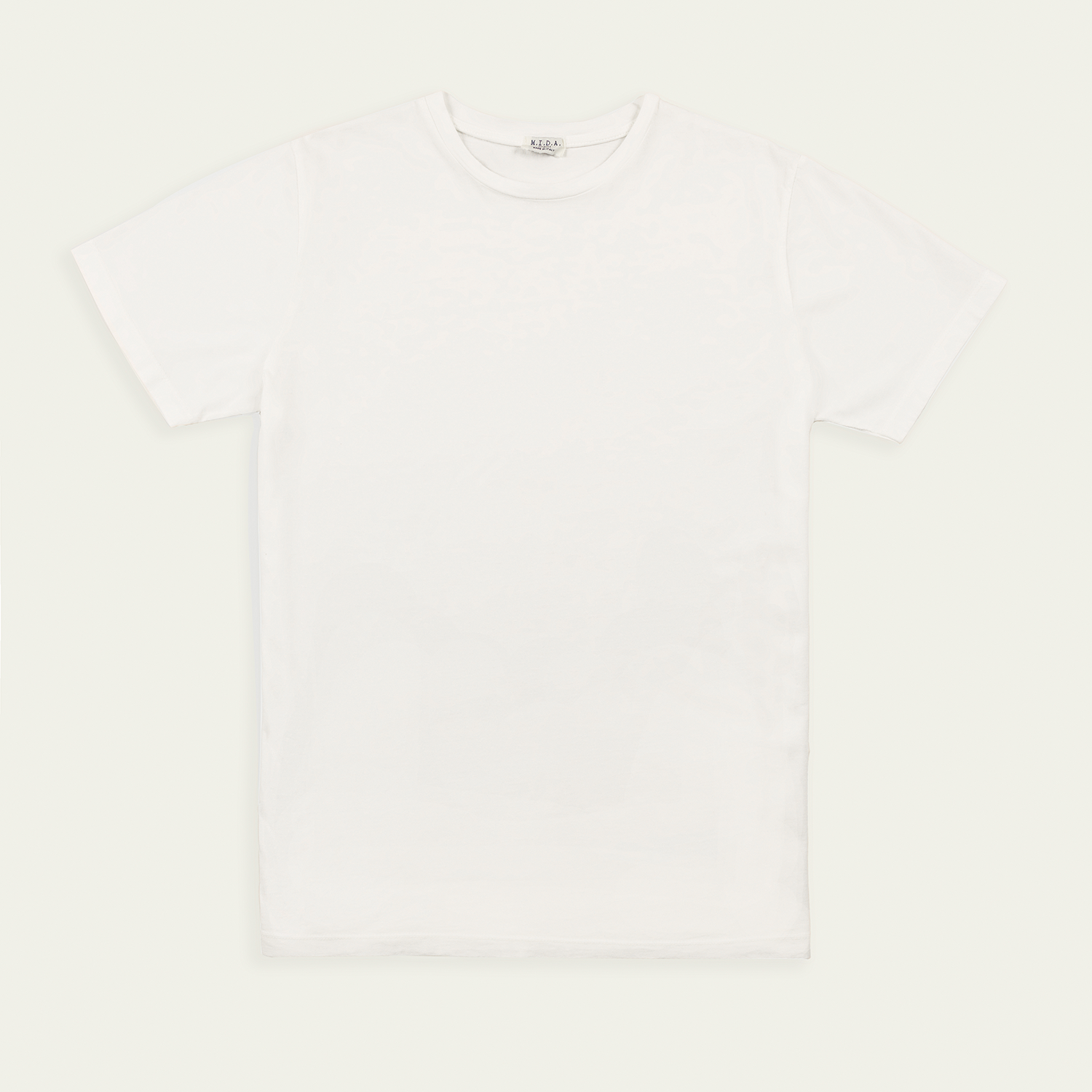
White premium cotton
-
Black (forgiving and essential)
-
Navy (most versatile)
-
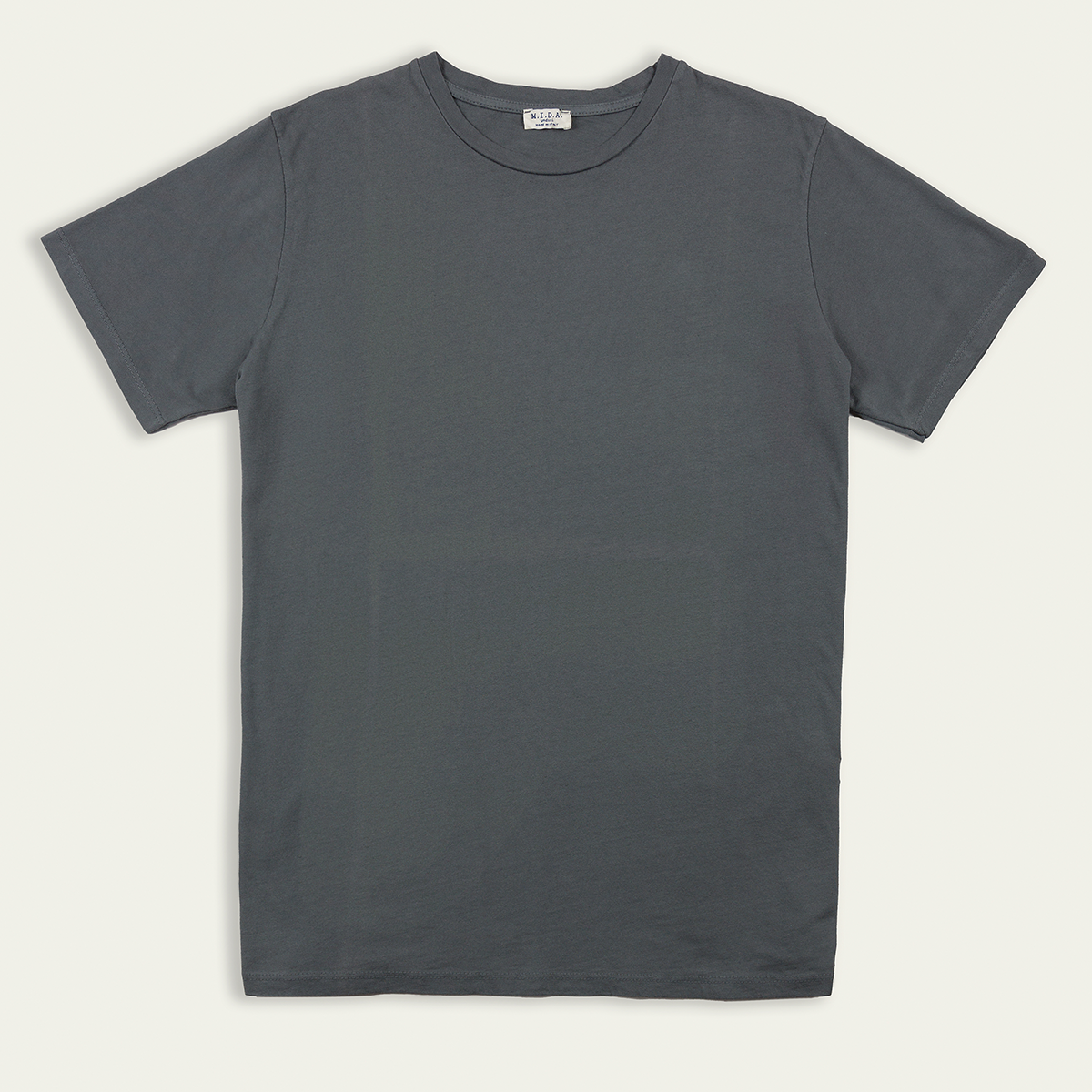
Medium or charcoal grey
-
Olive or forest green
-
Burgundy, rust, or terracotta
Level up with:
-
Stone-washed tee for texture
-
Merino wool for elevated occasions
-
Premium Pima in an unexpected colour
-
Heavyweight cotton for cooler weather
The MIDA Difference
Here's what we don't do: create five standard sizes and pretend they fit everyone. We don't source the cheapest cotton we can find and slap a premium price on it. And we don't design for some mythical 'average' body type that doesn't exist.
What we do is make t-shirts in Prato, Italy. The same town where we've been working with textiles since 1952. We've learnt something important: fit isn't just about measurements. It's about how fabric drapes, how a seam sits, how much give you need in the shoulders versus the waist.
For slim builds specifically, this means we don't just scale everything down proportionally. A smaller chest doesn't mean you need shorter sleeves or a narrower shoulder. It means you need the right relationship between these proportions. Something you only learn by actually making clothes for real people, not spreadsheets.
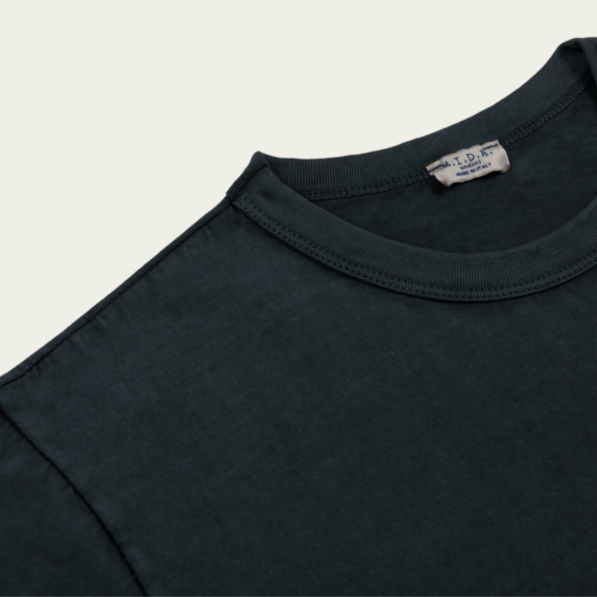
Our fabric weights range from 160 to 210 GSM because different bodies need different structure. Our cuts include subtle tapers because straight-cut tees designed for 'average' builds swim on slimmer frames. And our construction (reinforced shoulder seams, proper ribbing at the collar, clean side seams) isn't visible in photos, but you feel it the first time you put one on.
We're not trying to be the cheapest or the fastest. We're trying to be the people who make a t-shirt you actually want to wear. That's harder, but it matters more.
Quick Answers
Should I size up or down? Stick to your true size for slim fits. For regular fits, sometimes sizing down works better. Check specific measurements.
What about patterns? Subtle is key. Thin stripes or small-scale patterns can work. Skip bold graphics.
Best fabric weight? 160-200 GSM hits the sweet spot for most builds.
Ready to upgrade your t-shirt game? Start with our essentials or explore our premium fabrics.




Leave a comment